Move forward after a stroke, with care built around your life.
A stroke can change how you move, communicate, think, and manage everyday tasks. NeuroBridge looks at the full picture, then develops an individualized plan around the abilities and independence that matter most to you.
A stroke can affect many parts of everyday life.
You may be working to regain a specific skill, adjusting to several changes at once, or wondering why progress has slowed. Whether you are navigating your own recovery or helping someone close to you, care should begin with where you are now and what you want to be able to do next.
Movement and balance
Weakness, stiffness, coordination changes, fatigue, or fear of falling can make movement less predictable.
Speech and communication
Finding words, understanding conversation, or expressing yourself may require new strategies and support.
Thinking and memory
Attention, planning, processing speed, and memory changes can affect work, relationships, and daily routines.
Everyday independence
Dressing, cooking, driving, working, and returning to meaningful activities may all become part of recovery.
Being told you’ve plateaued doesn’t mean you’ve stopped being able to improve.
Formal rehab often ends on an insurance timeline, not a recovery one. With focused, well-structured care, it is possible to keep making meaningful gains long after a stroke. We’ll be honest with you about what we think is possible.
A recovery plan built around you.
Recovery looks different for everyone. Your needs may change as you move from hospital care to home and back into the routines that matter to you. We consider how stroke has affected your abilities, health, daily life, and support system—not only a single symptom.
Understand where you are
We review your stroke history, current challenges, previous rehabilitation, daily routines, and priorities.
Focus on meaningful goals
Your plan connects care to activities such as moving safely at home, communicating, or returning to work.
Respond as you progress
We reassess what is changing and adapt recommendations as your abilities, needs, and goals evolve.
Therapies we may combine in your plan.
Stroke affects each person differently, so we don’t lead with a single therapy. Depending on your assessment, your plan may draw on one or more of these. Some of these uses are off-label. We’ll explain the evidence, and what isn’t known, before you decide.
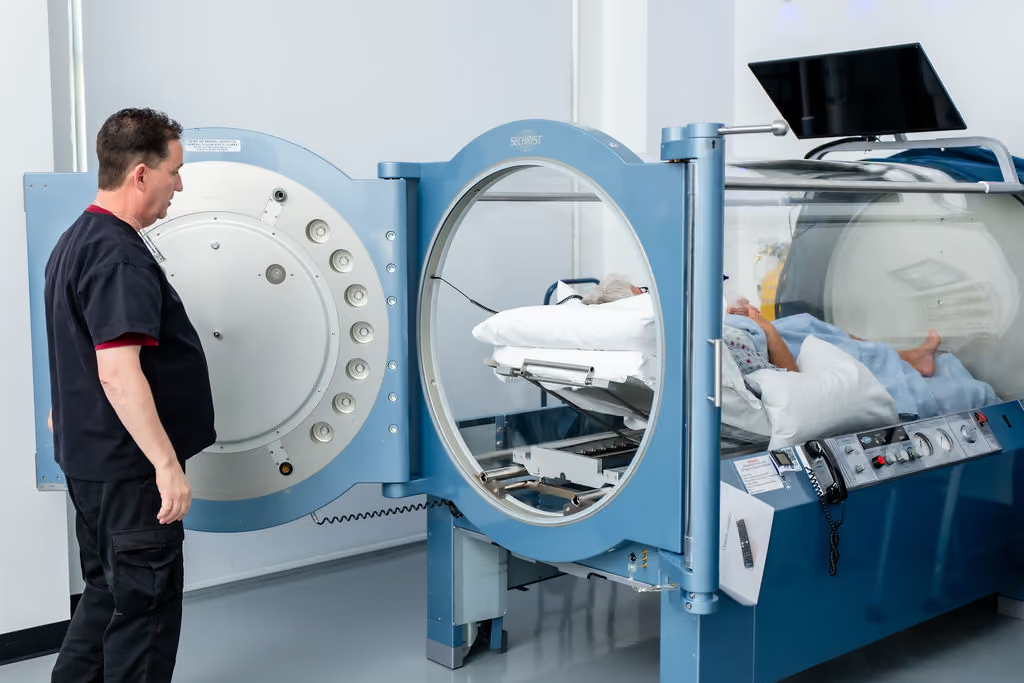
Hyperbaric Oxygen Therapy (HBOT)
Breathing oxygen under pressure raises the oxygen in your blood, and may be used to support healing and brain function.
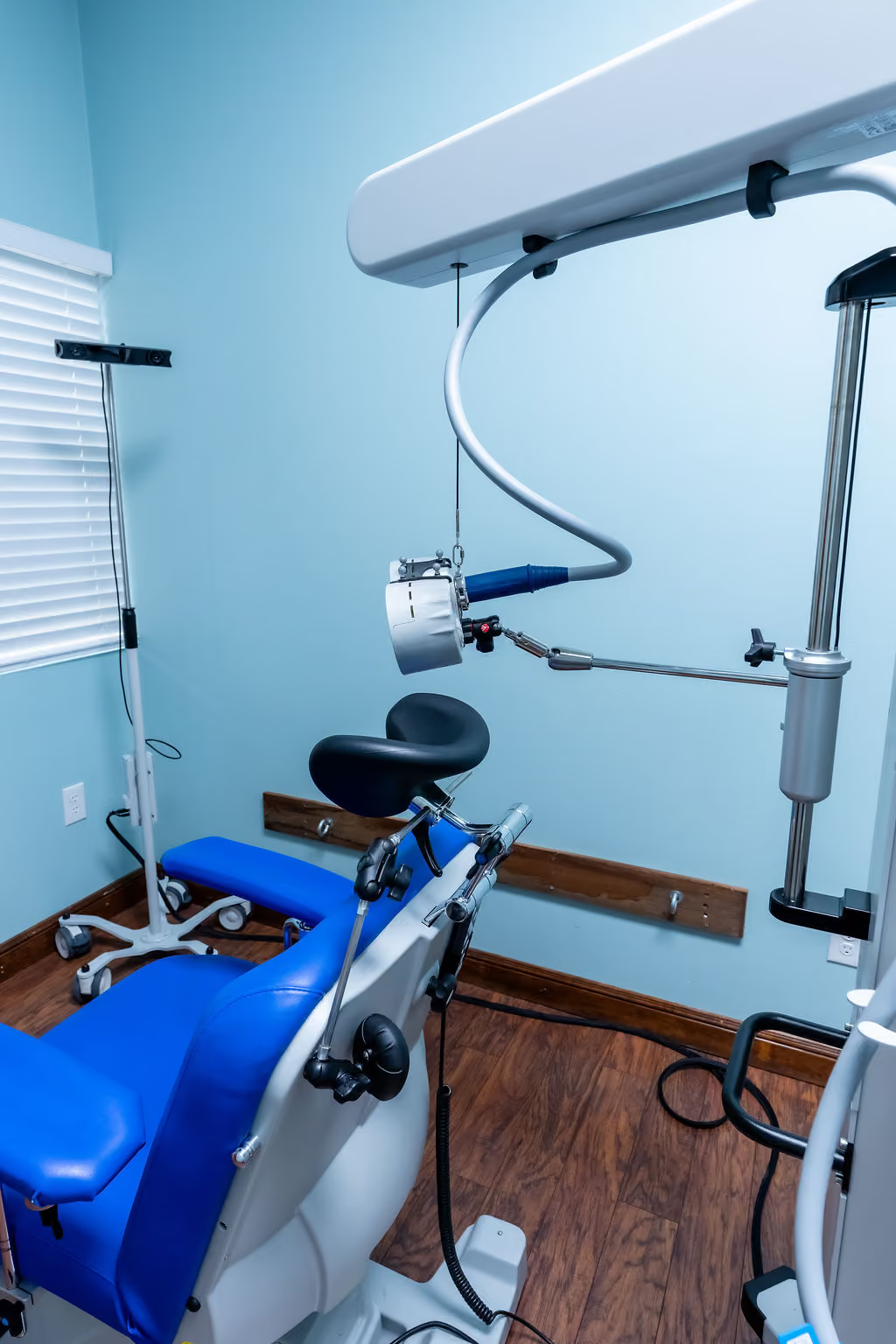
Transcranial Magnetic Stimulation (rTMS)
Focused pulses stimulate targeted brain areas and may be paired with rehab to support movement, language, or mood.
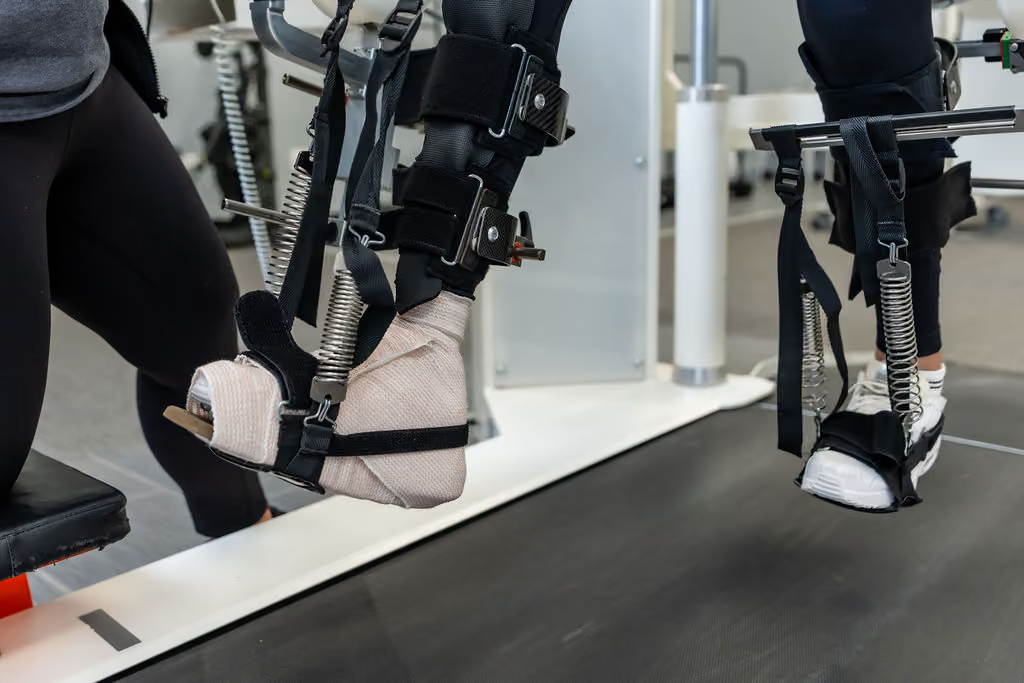
Movement Science & Rehabilitation
Detailed assessment and focused practice for walking, balance, strength, and the tasks you want to get back to.

Metabolic Optimization
Labs, nutrition, and other health factors that can influence your energy, healing, and response to treatment.
An honest look at fit and expectations.
You may be a good fit if
- You are medically stable and past the early hospital phase
- You finished rehab but still have changes you want to work on
- You have been told your progress has plateaued
- Movement, speech, thinking, or balance still affect your day
- You can commit to a structured plan with regular visits
- You are looking for next steps for someone you care for
What to realistically expect
- Progress is usually gradual and looks different for everyone
- Some abilities may improve more than others
- Plans work best with consistent visits and practice at home
- We measure your progress so you can see what is changing
- We tell you plainly if something is not helping
- We work alongside your neurologist and primary care team
Common questions about stroke recovery.
Is it too late if my stroke was years ago?
Not necessarily. Many people keep making progress long after their first months of rehabilitation, especially with focused, well-structured care. Your assessment helps us understand what may still be possible for you and which goals are realistic to work toward.
Do I need a referral from my doctor?
You can contact us directly to get started. If your insurance plan requires a referral for certain services, we will let you know early and help you coordinate with your physician so it does not hold up your care.
Will you work with my current doctors and therapists?
Yes. With your permission, we share findings and progress updates with your neurologist, primary care physician, and therapists. The goal is care that builds on what you have already done, not care that starts over.
Is stroke recovery care covered by insurance?
Coverage depends on your plan and on which services are part of your care. Some therapies are often covered, while others may not be. We review your options and costs with you before treatment begins, so you can decide with the numbers in front of you.
Can a family member come to appointments?
Yes, and we encourage it. Family members and caregivers often notice changes first and play a big part in practice at home. You are welcome to bring anyone who helps with your day-to-day care.