Pain that won’t let up deserves a closer, more complete look.
Long-lasting pain can affect your sleep, mood, movement, and the things you enjoy. We take time to understand your pain and what you’ve already tried, then develop a plan with clear goals for how you want to live and move each day.
Chronic pain can reach every part of your day.
Pain that lasts for months can change how you sleep, move, work, and connect with the people around you. You may have tried medications, injections, therapy, or surgery and still be looking for relief. Whether your pain has a clear cause or not, care should start with how it is affecting your life.
Persistent pain
Aching, burning, or shooting pain that lingers or flares without warning can make it hard to plan your days.
Sleep and fatigue
Pain that disrupts sleep often leaves you exhausted, which can make pain feel worse the next day.
Movement and activity
Avoiding movement to protect yourself can lead to stiffness, weakness, and doing less of what you enjoy.
Mood and relationships
Living with pain can bring frustration, low mood, or anxiety, and strain work and time with others.
Pain that hasn’t responded to treatment is real, and still worth a closer look.
Long-lasting pain can change how the nervous system handles pain signals, so it doesn’t always behave like a simple injury. That’s why we look beyond the source of pain alone, and we’ll be honest with you about what we think is possible.
A plan built around you.
Chronic pain rarely has a single cause, and it affects more than the place that hurts. We look at your pain history, past treatments, sleep, movement, mood, and overall health, so your plan addresses what keeps your pain going, not only where you feel it.
Understand your pain
We review your history, imaging, past treatments, medications, and how pain is shaping your day.
Set clear goals
Your plan targets what matters to you, such as sleeping through the night, walking farther, or working.
Adjust as you respond
We track pain, function, and sleep over time and change the plan based on how you respond.
Therapies we may combine in your plan.
Chronic pain affects each person differently, so we don’t lead with a single therapy. Depending on your assessment, your plan may draw on one or more of these. Some of these uses are off-label. We’ll explain the evidence, and what isn’t known, before you decide.
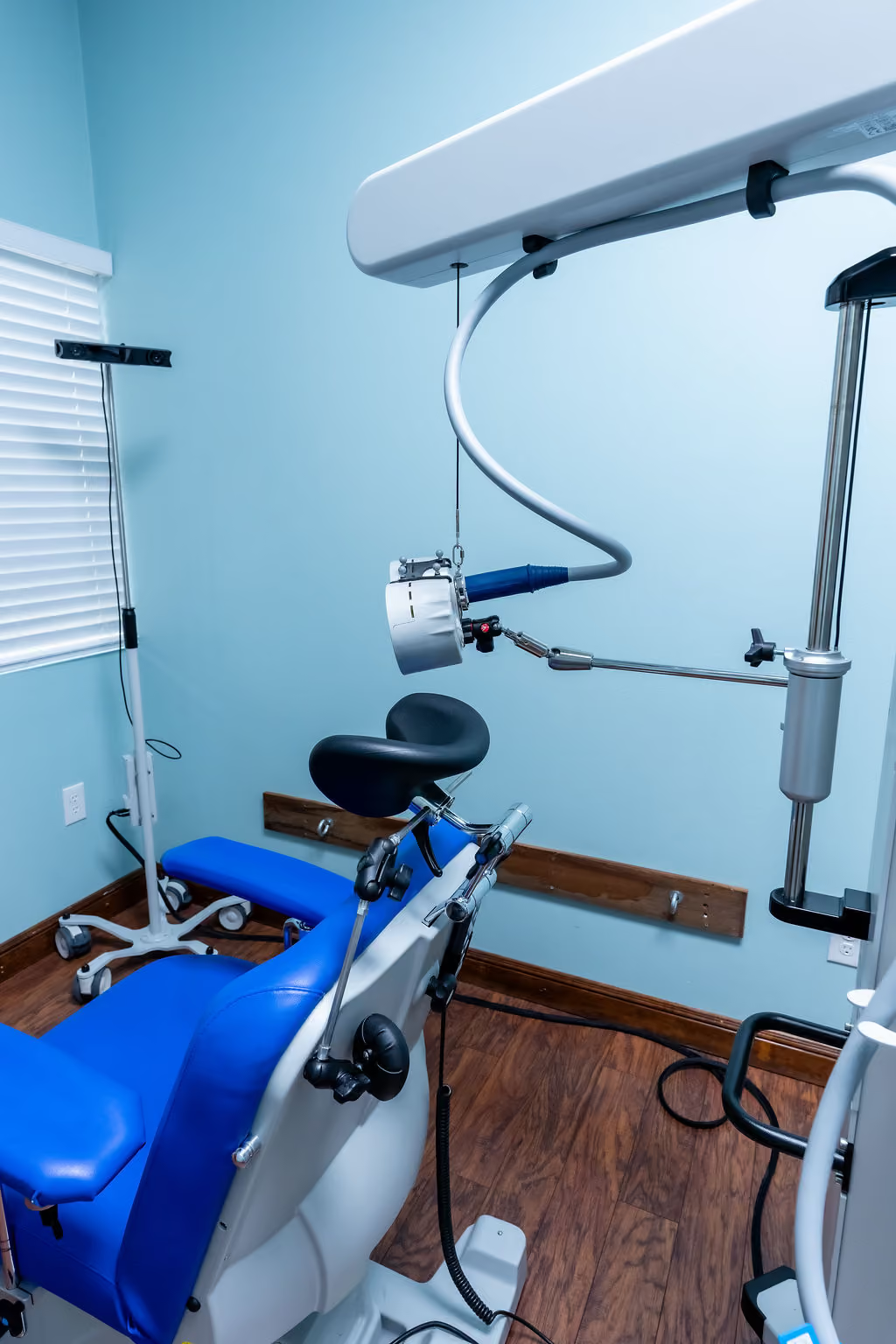
Transcranial Magnetic Stimulation (rTMS)
Focused pulses stimulate brain areas involved in processing pain, and may be used to support pain relief and mood.
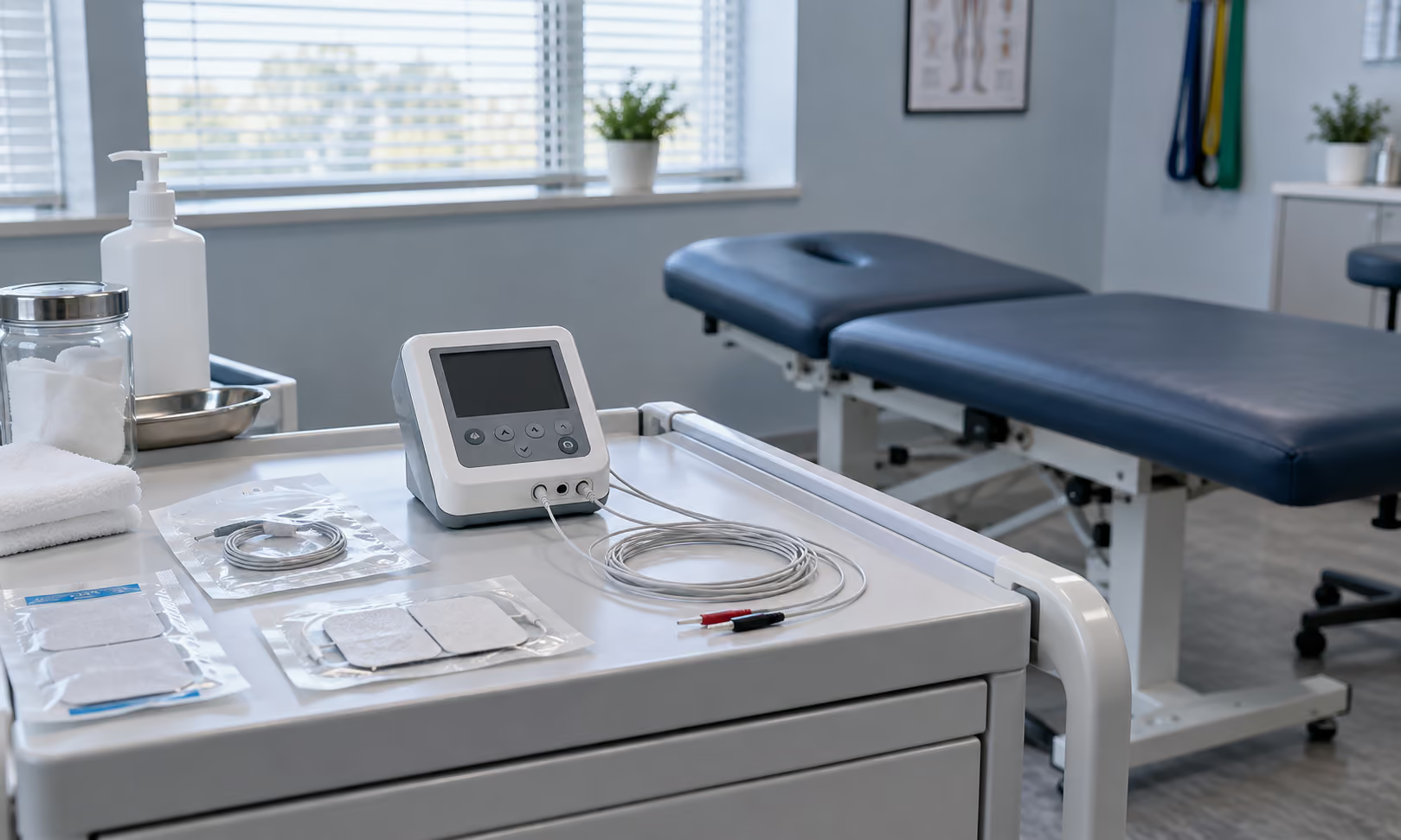
Peripheral Nerve Stimulation (PNS)
Targeted electrical stimulation of specific nerves, which may be used to ease pain that hasn’t responded to other care.
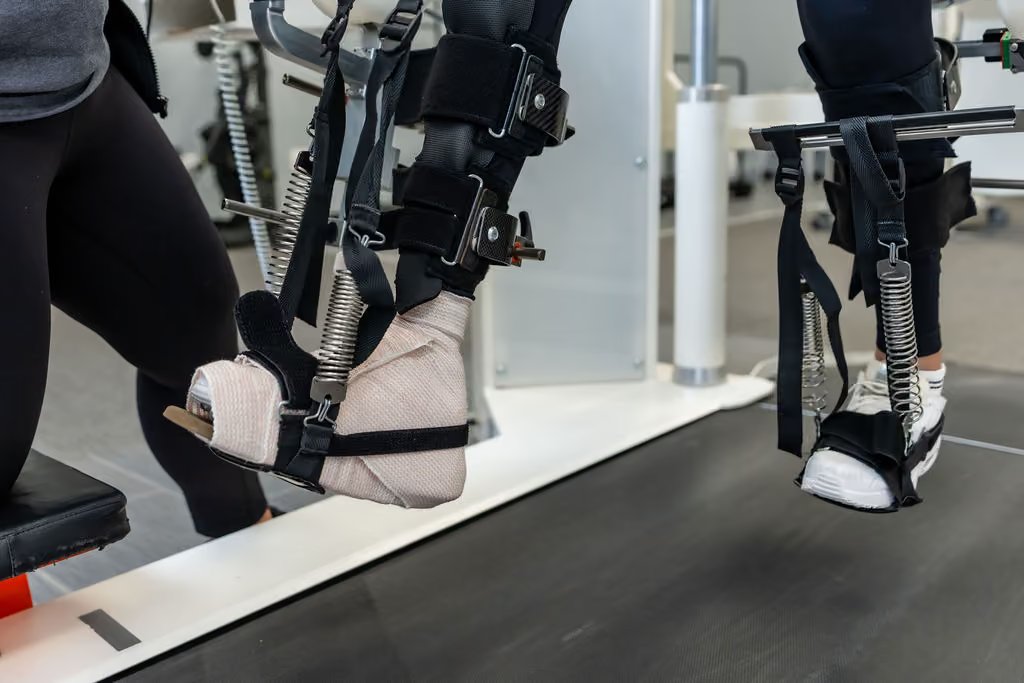
Movement Science & Rehabilitation
Gradual, guided movement and strength work to help you do more with less fear of flare-ups.

Metabolic Optimization
Labs, nutrition, sleep, and inflammation-related factors that can influence pain and your response to treatment.
An honest look at fit and expectations.
You may be a good fit if
- Your pain has lasted for months despite treatment
- Medications, injections, or therapy haven’t given enough relief
- Pain affects your sleep, work, or time with others
- You want to do more, not only feel less pain
- You can commit to a structured plan with regular visits
- You are looking for next steps for someone you care for
What to realistically expect
- Progress is usually gradual and looks different for everyone
- Some symptoms may improve sooner than others
- Plans work best with consistent visits and practice at home
- We measure your progress so you can see what is changing
- We tell you plainly if something is not helping
- Medication changes stay with your prescribing doctor
Common questions about chronic pain care.
I’ve tried everything. Why would this be different?
We start by reviewing what you’ve already tried and how you responded, then look at factors that are often missed, like sleep, movement, and overall health. If we think an option is worth trying, we’ll explain why, including its evidence and limits.
Do you treat fibromyalgia, CRPS, or pain after back surgery?
We see people with many kinds of long-lasting pain, including fibromyalgia, complex regional pain syndrome, and ongoing pain after back surgery. Your assessment helps us understand your pain and which goals are realistic to work toward.
Will this replace my pain medication?
Not on its own. Our care is designed to work alongside your current treatment. Any change to your medication is a decision for you and the doctor who prescribes it, and we share our findings to help inform it.
Is chronic pain care covered by insurance?
Coverage depends on your plan and on which services are part of your care. Some therapies are often covered, while others may not be. We review your options and costs with you before treatment begins, so you can decide with the numbers in front of you.
Will you work with my current doctors?
Yes. With your permission, we share findings and progress updates with your primary care physician, pain specialist, and therapists. The goal is care that builds on what you have already done, not care that starts over.