Your surgery is done. Now let’s focus on the recovery ahead.
After brain or spine surgery, or a device implant such as DBS or a spinal cord stimulator, you may still have symptoms and questions. We review your recovery needs and build a plan that works alongside your surgical and specialist team.
Recovery doesn’t end when you leave the hospital.
After brain or spine surgery, or a device implant such as DBS or a spinal cord stimulator, you may still be working through symptoms and questions. Follow-up visits are often short, and rehab may end before you feel ready. Care should start with where your recovery is now.
Movement and strength
Weakness, balance changes, or stiffness after surgery can make walking and daily tasks harder than expected.
Pain and sensation
Lingering pain, numbness, or new sensations can make it hard to tell what is normal healing.
Thinking and energy
Fatigue, brain fog, or trouble concentrating can linger for a while after surgery and anesthesia.
Device questions
Living with a new device can raise questions about settings, symptoms, and what to expect next.
A successful surgery is the start of recovery, not always the end of it.
Surgery can fix the problem it was meant to address and still leave work to do. Focused rehabilitation and supportive care may help you build on your surgery, and we’ll be honest with you about what we think is possible.
A recovery plan built around you.
Every surgery and device is different, and so is every recovery. We review your surgical history, current symptoms, device details if you have one, and overall health, and coordinate with your surgeon and specialists so your plan builds on their care.
Review your surgery
We go through your procedure, device details if relevant, current symptoms, and what your surgeon expects.
Focus on your goals
Your plan targets what matters to you, such as walking farther, easing pain, or returning to work.
Coordinate and adjust
We share progress with your surgical team and update the plan as your recovery moves forward.
Therapies we may combine in your plan.
Every recovery is different, so we don’t lead with a single therapy. Depending on your assessment and your surgeon’s guidance, your plan may draw on one or more of these. Some of these uses are off-label. We’ll explain the evidence, and what isn’t known, before you decide.
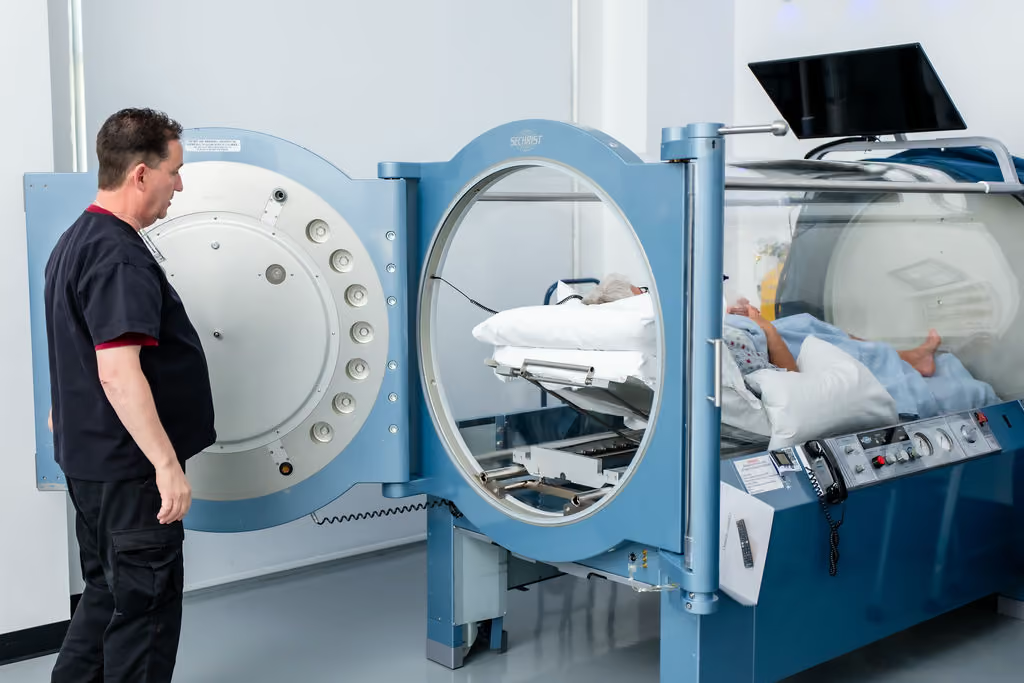
Hyperbaric Oxygen Therapy (HBOT)
Breathing oxygen under pressure raises the oxygen in your blood, and may be used to support healing after surgery.
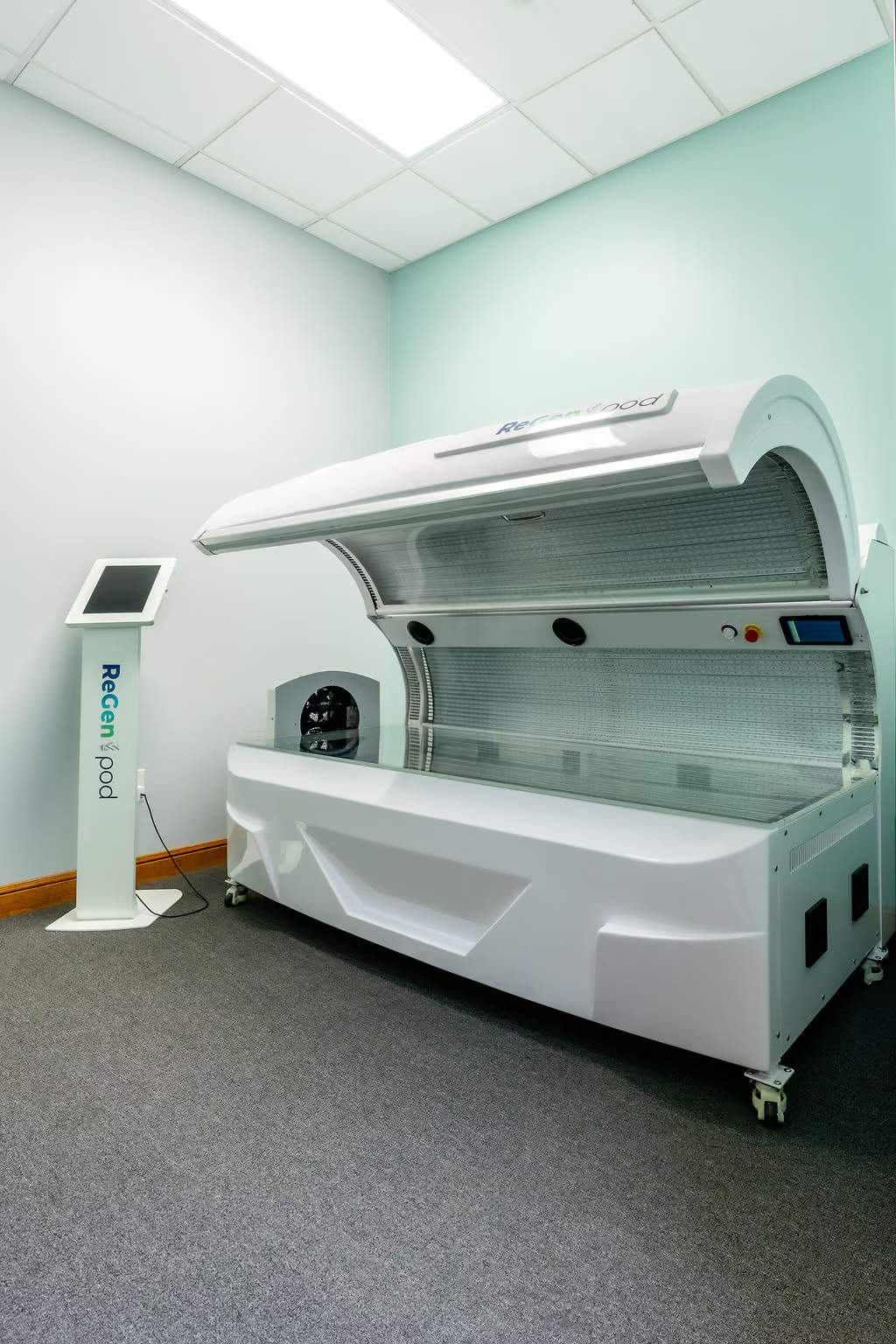
Photobiomodulation (PBM)
Red and near-infrared light therapy that may be used to support comfort, circulation, and your body’s natural healing.
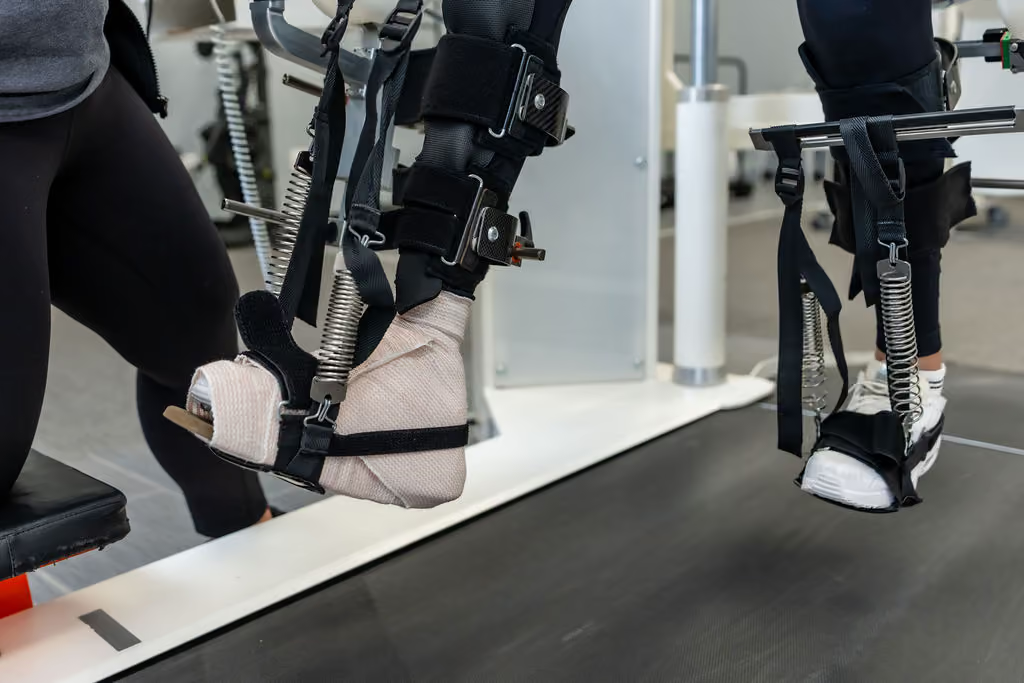
Movement Science & Rehabilitation
Rehabilitation for strength, balance, and walking, paced around your surgeon’s guidance and your recovery.

Metabolic Optimization
Labs, nutrition, sleep, and other health factors that can influence healing and your response to treatment.
An honest look at fit and expectations.
You may be a good fit if
- You had brain or spine surgery or a device implant
- You still have symptoms after your standard follow-up care
- Rehab ended before you felt fully recovered
- Your surgeon has cleared you to start rehabilitation
- You can commit to a structured plan with regular visits
- You are looking for next steps for someone you care for
What to realistically expect
- Progress is usually gradual and looks different for everyone
- Some abilities may improve sooner than others
- Plans work best with consistent visits and practice at home
- We measure your progress so you can see what is changing
- We tell you plainly if something is not helping
- Your surgeon stays in charge of your surgical care
Common questions about recovery after surgery.
How soon after surgery can I start?
That depends on your procedure and your surgeon’s guidance. We ask for your surgeon’s clearance before starting, then pace your plan around where you are in your recovery.
Can you adjust my DBS, VNS, or spinal cord stimulator?
Device programming stays with your surgeon or device specialist. We can look at how your symptoms respond, share what we observe with them, and build a plan that works alongside your device settings.
Will you work with my surgeon?
Yes. With your permission, we share findings and progress updates with your surgeon, neurologist, and primary care physician. The goal is care that builds on your surgery, not care that starts over.
Is post-surgical recovery care covered by insurance?
Coverage depends on your plan and on which services are part of your care. Some therapies are often covered, while others may not be. We review your options and costs with you before treatment begins, so you can decide with the numbers in front of you.
Can a family member come to appointments?
Yes, and we encourage it. Family members and caregivers often notice changes first and play a big part in practice at home. You are welcome to bring anyone who helps with your day-to-day care.