Steadier footing when nerve pain and numbness take over.
Numbness, burning, tingling, or poor balance can make walking, sleeping, and everyday tasks harder than they should be. We look at what may be driving your symptoms, then build a plan focused on your comfort, safety, and function.
Neuropathy can affect more than your feet.
Neuropathy can creep in slowly or appear after an illness, injury, or treatment. You may be dealing with numbness, burning, or pins and needles, or feeling less sure of your footing than before. Whether it is linked to diabetes, chemotherapy, or an unknown cause, care should start with what you feel day to day.
Pain and burning
Burning, stabbing, or electric pain in the feet or hands can flare at night and make rest hard to come by.
Numbness and tingling
Pins and needles or loss of feeling can make it hard to sense the ground, temperature, or small injuries.
Balance and walking
Reduced feeling in your feet can make you unsteady, raise your risk of falls, and shrink how far you walk.
Sleep and daily life
Symptoms that worsen at night, and medications that leave you foggy, can wear down your energy and routines.
Being told it’s nerve damage doesn’t mean nothing more can be done.
Standard care often focuses on managing pain, and some medications cause side effects like fogginess. We look at what may be driving your symptoms and how to protect your balance and comfort, and we’ll be honest with you about what we think is possible.
A plan built around you.
Neuropathy has many possible causes, and symptoms vary from person to person. We look at your pain, sensation, balance, sleep, and overall health, including factors like blood sugar and nutrition, so your plan addresses more than a single symptom.
Understand what’s driving it
We review your history, symptoms, labs, medications, and how neuropathy is affecting your day.
Focus on comfort and safety
Your plan targets what matters most, such as easing pain, walking with confidence, or sleeping better.
Adjust as you respond
We retest sensation, balance, and function over time and change the plan based on how you respond.
Therapies we may combine in your plan.
Neuropathy affects each person differently, so we don’t lead with a single therapy. Depending on your assessment, your plan may draw on one or more of these. Some of these uses are off-label. We’ll explain the evidence, and what isn’t known, before you decide.
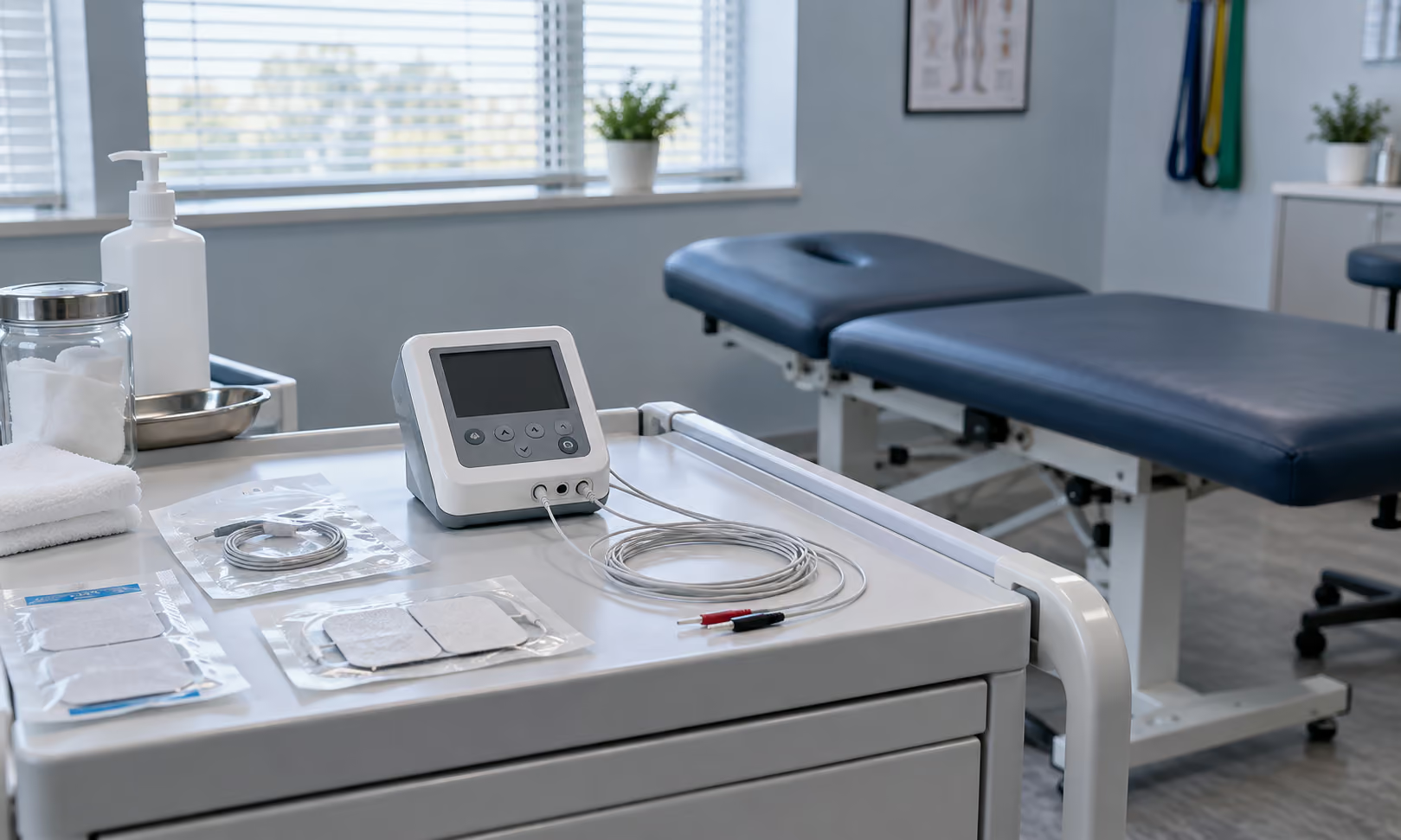
Peripheral Nerve Stimulation (PNS)
Targeted electrical stimulation of the affected nerves, which may be used to ease persistent nerve pain.
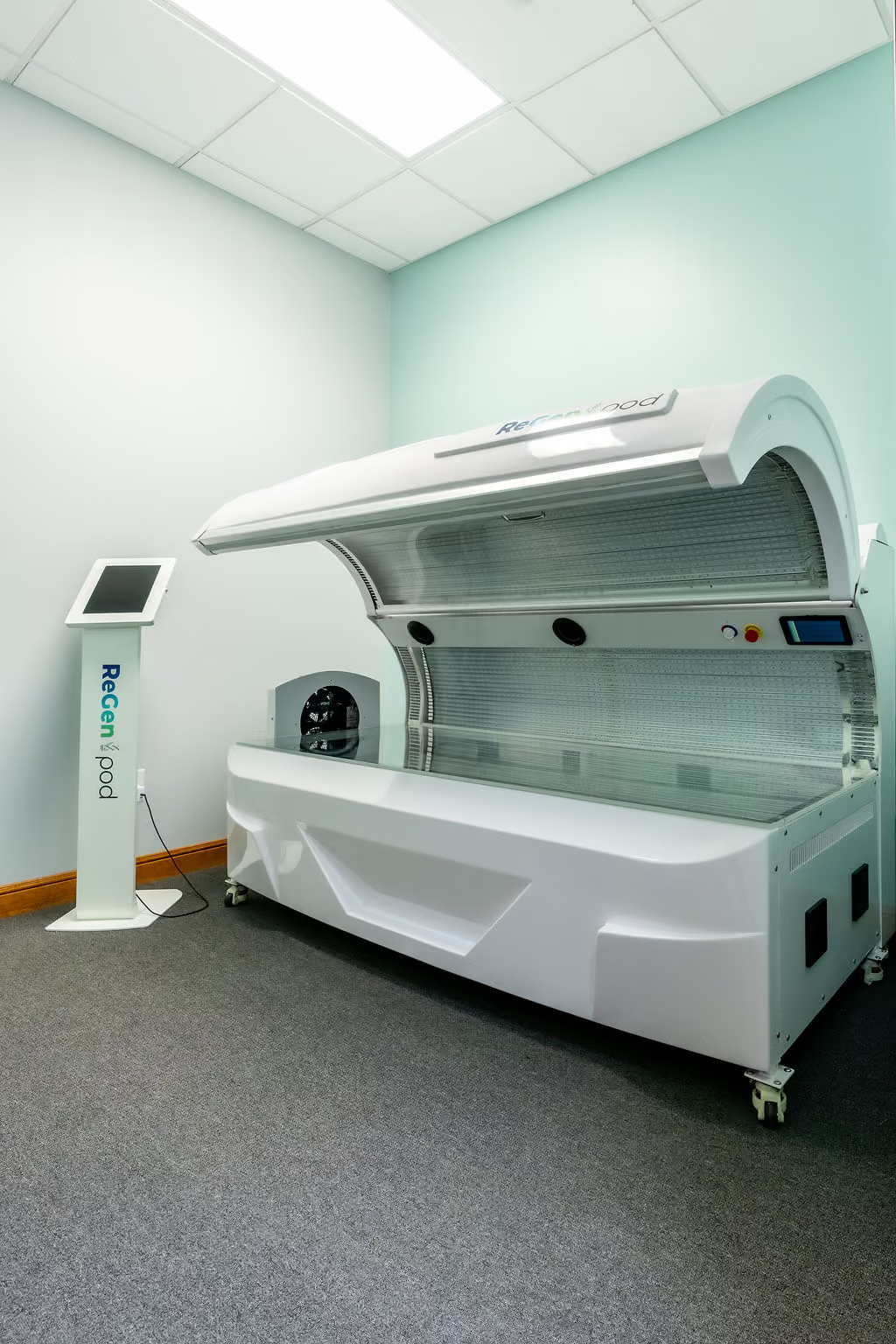
Photobiomodulation (PBM)
Red and near-infrared light therapy that may be used to support comfort, circulation, and your body’s natural healing.
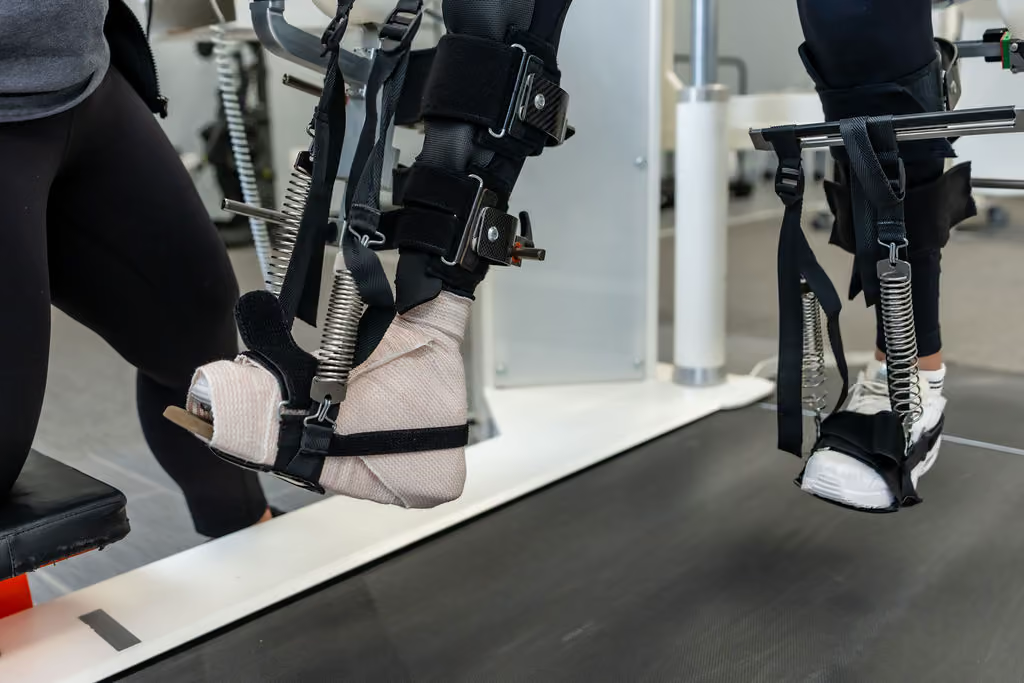
Movement Science & Rehabilitation
Balance, gait, and strength training to help you walk with more confidence and lower your risk of falls.

Metabolic Optimization
Labs, nutrition, blood sugar, and other health factors that can influence nerve health and your response to treatment.
An honest look at fit and expectations.
You may be a good fit if
- Numbness, tingling, or burning affects your hands or feet
- Nerve pain disrupts your sleep or daily routines
- You feel unsteady on your feet or worry about falling
- Medication hasn’t given you enough relief
- You can commit to a structured plan with regular visits
- You are looking for next steps for someone you care for
What to realistically expect
- Progress is usually gradual and looks different for everyone
- Some symptoms may improve more than others
- Plans work best with consistent visits and practice at home
- We measure your progress so you can see what is changing
- We tell you plainly if something is not helping
- Medication changes stay with your prescribing doctor
Common questions about neuropathy care.
Can you help if my neuropathy is from diabetes?
We see many people with diabetic neuropathy. Diabetes is one of the most common causes, and blood sugar, nutrition, and circulation all play a part. We look at those factors alongside your symptoms and work with the doctor who manages your diabetes.
What if the cause of my neuropathy is unknown?
Many people never get a clear cause. Your assessment looks at your history, labs, and symptoms to find factors that may be contributing, and your plan focuses on comfort, safety, and function either way.
Will this replace my pain medication?
Not on its own. Our care is designed to work alongside your current treatment. Any change to your medication is a decision for you and the doctor who prescribes it, and we share our findings to help inform it.
Is neuropathy care covered by insurance?
Coverage depends on your plan and on which services are part of your care. Some therapies are often covered, while others may not be. We review your options and costs with you before treatment begins, so you can decide with the numbers in front of you.
Will you work with my current doctors?
Yes. With your permission, we share findings and progress updates with your primary care physician, neurologist, and other specialists. The goal is care that builds on what you have already done, not care that starts over.