

Beyond Pain Management: Treatment That Targets Root Causes
Evidence-based protocols for chronic pain syndromes—reducing pain, restoring function, minimizing medication dependence
WHEN PAIN BECOMES YOUR LIFE
You've tried everything:
Multiple pain medications (opioids, gabapentin, muscle relaxers, antidepressants)
Physical therapy that helped temporarily or not at all
Injections (epidurals, nerve blocks, trigger points)
Surgery (sometimes making things worse)
Told it's "all in your head" or to "learn to live with it"
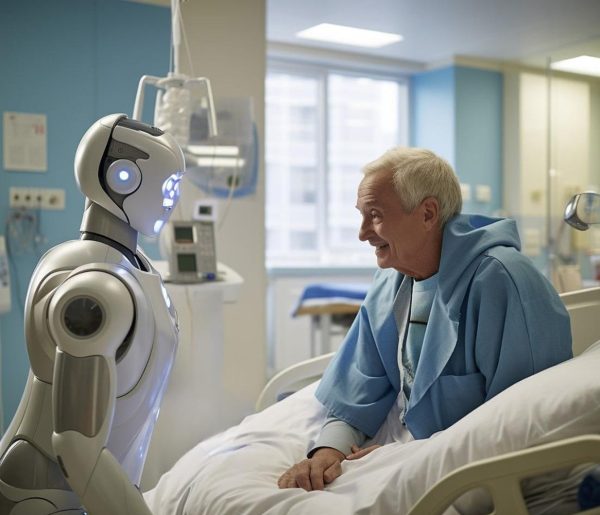

The pain is real. It's affecting your ability to work, your relationships, your sleep, your mood, your sense of self.
You're not drug-seeking. You're not exaggerating.
You have a chronic pain syndrome—a complex neurological condition that requires more than pain medication.
chronic pain
UNDERSTANDING CHRONIC PAIN
Chronic Pain Is Different from Acute Pain:
ACUTE PAIN
• Protective signal
• Proportional to injury
• Resolves when injury heals
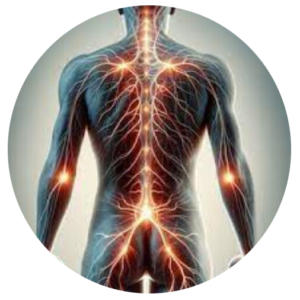
CHRONIC PAIN
• Pain persists beyond healing (3+ months)
• Pain signal itself becomes the problem
• Nervous system changes ("central sensitization")
• Brain and spinal cord amplify pain signals
• Often disproportionate to any remaining tissue damage
What Happens:
Central sensitization, neuroplastic changes, neuroinflammation, and autonomic dysfunction.
Pain becomes a disease itself, not just a symptom.
WHY STANDARD TREATMENT OFTEN FAILS
Standard Treatment Is Limited:
- Medications address only part of the problem
- Physical therapy is limited when central sensitization is the primary driver
- Interventional procedures don’t reverse central sensitization
- Surgery can’t address brain changes
What’s Needed: Interventions that reverse central sensitization, reduce neuroinflammation, and retrain pain processing networks.
THE NEUROBRIDGE APPROACH
Multi-Modal Protocols Targeting Pain Mechanisms:
Transcranial Magnetic Stimulation (rTMS)
- Modulates pain processing networks in brain
- Reduces central sensitization
- Activates descending pain inhibition
- Treats comorbid depression
- FDA-cleared for migraine prophylaxis
Hyperbaric Oxygen Therapy (HBOT)
- Reduces neuroinflammation
- Promotes tissue healing
- Modulates pain signaling
- Particularly effective for CRPS
Peripheral Nerve Stimulation (PNS)
- Interrupts pain signals
- Gate control mechanism
- Modulates spinal cord excitability
- Customized for specific pain areas
Metabolic & Nutritional Optimization
- Reduces systemic inflammation
- Addresses mitochondrial dysfunction
- Gut-brain axis optimization
- Anti-inflammatory nutrition
- Targeted supplementation
- IV nutraceutical infusions
Movement & Functional Restoration
- Graded exercise to reverse deconditioning
- Neuroplastic changes through safe movement
- Functional gains even if pain persists
CONDITIONS WE TREAT
Complex Regional Pain Syndrome (CRPS)
Severe, continuous pain after injury with autonomic changes. Strong evidence for HBOT.
01
Fibromyalgia
Widespread musculoskeletal pain with fatigue and cognitive difficulties.
02
Failed Back Surgery Syndrome (FBSS)
Persistent or recurrent pain after spinal surgery.
03
Neuropathic Pain
Pain from nerve damage (see our Neuropathy page for details).
04
Chronic Headache & Migraine
Frequent headaches or migraines. rTMS FDA-cleared for migraine prophylaxis.
05
WHO BENEFITS
You may be a candidate if:
You have chronic pain (3+ months duration)
Standard treatments provide inadequate relief
You want to reduce medication dependence (especially opioids)
Pain is significantly impacting function and quality of life
You're motivated for multi-modal, intensive approach
You're willing to actively participate in rehabilitation

WHAT TO EXPECT
01.
Comprehensive Pain Evaluation
Pain assessment, physical examination, psychological screening, metabolic testing
02.
Personalized Pain Protocol
Based on your specific pain syndrome, severity, and goals
03.
Treatment Phase (typically 12-24 weeks)
Intensive phase with systematic symptom tracking
04.
Transition to Maintenance
Sustainable long-term management strategies
REALISTIC EXPECTATIONS
We’re honest:
- Chronic pain is complex and rarely “cured”
- Our goal is meaningful pain reduction, improved function, reduced medication dependence, better quality of life
Typical Outcomes:
- 30-50% decrease in pain intensity
- Some patients achieve greater reduction (especially CRPS with HBOT)
- Increased activity tolerance
- Many reduce or eliminate gabapentin/pregabalin
- Opioid reduction or cessation (coordinated carefully)
- Mood improvement
MEDICATION MANAGEMENT
Our Philosophy:
- Medications have a role, but aren’t the whole solution
- Reduction should be gradual and supervised
- Never judgment about medication use
- Coordinate with prescribing physicians
We Provide:
- Effective non-medication pain interventions
- Support during reduction process
- Communication with prescribing physicians
Ready to go beyond Pain Management?
Chronic pain doesn’t have to control your life. Multi-modal, evidence-based interventions can reduce pain, restore function, and give you back quality of life.