
Beyond Medication: Parkinson's Treatment That Targets Multiple Mechanisms
Evidence-based protocols for motor symptoms, cognitive changes, and quality of life—complementary to your current treatment
THE PARKINSON'S CHALLENGE
Parkinson's disease is progressive. Medications help—sometimes dramatically—but:
Effectiveness wanes over time (wearing off, dyskinesias)
Not all symptoms respond to dopamine replacement
Side effects can be limiting
Non-motor symptoms (cognitive, mood, autonomic) often undertreated
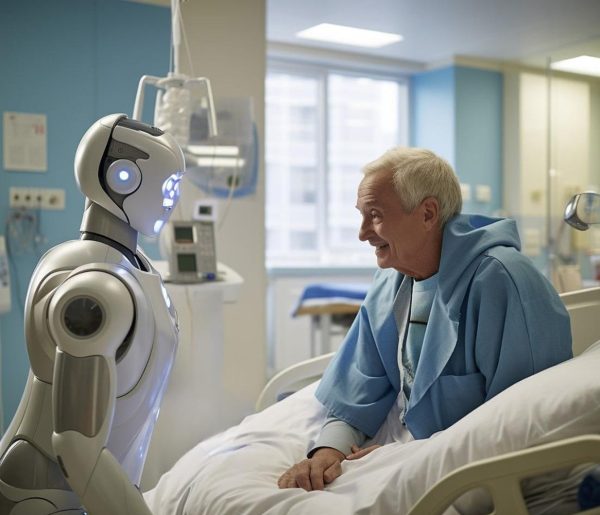

What if there were complementary interventions that target mechanisms medication doesn't address?
WHY PARKINSON'S NEEDS MORE THAN DOPAMINE
Parkinson’s isn’t just dopamine deficiency. It involves:
- Neuroinflammation – Chronic inflammation damages neurons
- Mitochondrial dysfunction – Cellular energy crisis
- Oxidative stress – Free radical damage to brain tissue
- Multiple neurotransmitter systems – Not just dopamine
- Gut-brain axis dysfunction – Microbiome changes affect disease
Interventions targeting these mechanisms—even if they don’t replace dopamine—can improve symptoms and potentially slow progression.
THE NEUROBRIDGE APPROACH
We complement your neurologist's care with evidence-based interventions:
Transcranial Magnetic Stimulation (rTMS)
- Modulates motor cortex excitability
- May improve motor symptoms and gait
- Treats depression (common in Parkinson’s)
- Stimulates neuroplasticity
Hyperbaric Oxygen Therapy (HBOT)
- Reduces neuroinflammation
- Supports mitochondrial function
- May slow disease progression
- Improves cerebral blood flow
Movement Science & Specialized Rehabilitation
- Evidence-based exercise protocols
- Gait-specific training
- Balance and fall prevention
- LSVT BIG and boxing-based programs
Metabolic Optimization
- Comprehensive laboratory assessment
- Anti-inflammatory nutrition
- Targeted supplementation (CoQ10, omega-3s, others)
- IV nutraceutical infusions
- Gut health optimization
Peripheral Nerve Stimulation
- Gait assistance
- Cueing for movement initiation
- Balance enhancement
SYMPTOMS WE TARGET
Motor Symptoms:
• Bradykinesia (slowness)
• Rigidity
• Gait dysfunction
• Balance problems and fall risk
• Postural instability
• Rigidity
• Gait dysfunction
• Balance problems and fall risk
• Postural instability
01
Non-Motor Symptoms:
• Depression and anxiety
• Cognitive changes
• Fatigue
• Sleep disturbances
• Cognitive changes
• Fatigue
• Sleep disturbances
02
Functional Goals:
• Walking speed and endurance
• Balance and confidence
• Independence in daily activities
• Quality of life
• Balance and confidence
• Independence in daily activities
• Quality of life
03
WHO BENEFITS
You may be a candidate if:
You have diagnosed Parkinson's disease (any stage)
You're on medication but have symptoms that aren't fully controlled
You have non-motor symptoms (depression, cognition, fatigue)
You want to slow progression and maintain function
You're motivated for active participation in comprehensive program

Early vs. Advanced Parkinson's:
Early stage: Focus on neuroprotection, slowing progression, maintaining function
Advanced stage: Focus on symptom management, quality of life, reducing medication burden
WHAT TO EXPECT
01.
Comprehensive Evaluation
Complete Parkinson's history, motor assessment, cognitive screening, metabolic testing
02.
Personalized Protocol Design
Based on your Parkinson's stage, dominant symptoms, and goals
03.
Treatment Phase (typically 12-24 weeks)
Coordinated delivery of multiple modalities with regular assessments
04.
Maintenance (Ongoing)
Exercise is lifelong for Parkinson's. Other modalities can be periodic as needed.
REALISTIC EXPECTATIONS
We’re honest:
- Parkinson’s is progressive—we can’t stop it
- Interventions may slow progression or improve current function
- Benefits are modest but meaningful
- Requires ongoing commitment
Typical Outcomes:
- 20-40% improvement in motor function scores
- Improved gait speed and balance
- Reduced fall risk
- Better quality of life
- Possible reduction in medication dose (coordinated with neurologist)
COORDINATION WITH YOUR NEUROLOGIST
We work with your movement disorder specialist:
- Complement medical management
- Provide interventions your neurologist may not offer
- Communicate regularly about your progress
- Never replace your neurologist
Ready to take a comprehensive approach?
Parkinson’s affects more than dopamine. A comprehensive approach targets more than medication addresses.